Mastering Shattered Tile Roof Debris STL for Realistic Destruction
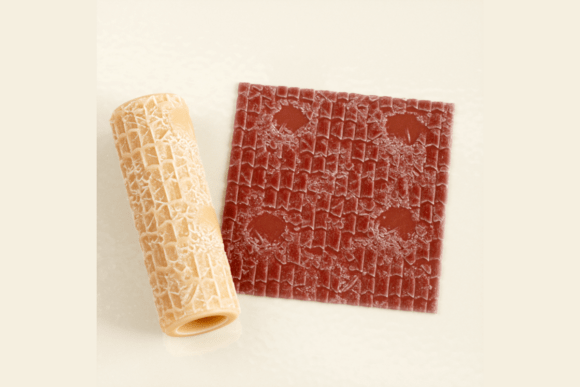
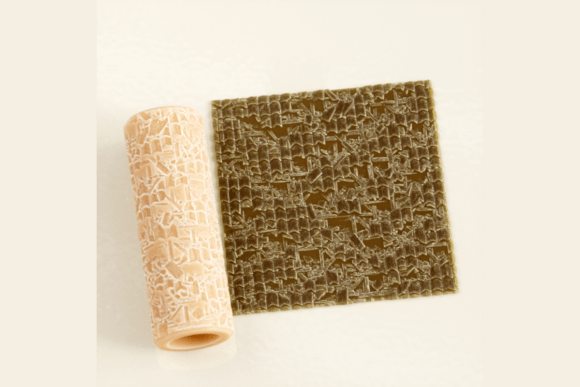
Shattered Tile Roof Debris STL is a high-resolution 3D printable texture roller that captures the look of a roof made of overlapping tiles, shattered into jagged, sharp debris. This texture is perfect for creating scenes of extreme destruction, such as impact zones, shattered glass roofs, or areas affected by massive explosions. Whether you're a wargaming enthusiast, a modeler, or a hobbyist, this STL file can save you hours of delicate sculpting and provide a realistic, high-detail finish.
Understanding the Versatility of Shattered Tile Roof Debris STL
The Shattered Tile Roof Debris STL is designed to be versatile, making it suitable for various projects. It's ideal for:
- Explosion Impact Zones in post-apocalyptic or sci-fi terrain
- Ruined Wargaming Terrain where every surface shows signs of battle
- Debris Fields on scenic miniature bases
With its widespread cracking and broken fragments, this texture suggests a recent, catastrophic event, adding a layer of realism to your models.
Avoid Common Mistakes When Using Shattered Tile Roof Debris STL
While the Shattered Tile Roof Debris STL is a powerful tool, there are common mistakes that can affect the quality and usability of your final project. Here’s how to avoid them:
Mistake 1: Ignoring Print Settings
One of the most common errors is not paying attention to print settings. For optimal results, use a layer height of 0.1–0.15 mm. This setting ensures that the fine details of the shattered tiles and jagged edges are captured accurately. Additionally, no supports are required, which simplifies the printing process and reduces post-processing time.
Mistake 2: Not Resizing Properly
Another mistake is not resizing the texture to fit your specific project. The high resolution of the Shattered Tile Roof Debris STL allows for easy resizing, whether you need it for 28mm or 32mm scenery. Failing to resize correctly can result in a texture that looks out of scale and detracts from the overall realism of your model.
Mistake 3: Overlooking the Texture's Intended Use
Some users may overlook the intended use of the Shattered Tile Roof Debris STL. This texture is specifically designed for scenarios of extreme destruction, such as recent impact zones or areas affected by massive explosions. Using it inappropriately, for example, in a non-destructive scene, can make the texture look out of place and diminish the overall effect.
Practical Advice for Using Shattered Tile Roof Debris STL
To get the most out of your Shattered Tile Roof Debris STL, follow these practical tips:
- Check Your Print Settings: Before you start printing, double-check your layer height and ensure that no supports are added. This will help you achieve the best possible detail and reduce the need for post-processing.
- Resize Accordingly: Take the time to resize the texture to fit your specific project. This step is crucial for maintaining the scale and realism of your model.
- Understand the Context: Make sure the texture aligns with the theme and context of your project. This texture is best suited for scenes of extreme destruction, so using it in a compatible setting will enhance the overall effect.
What to Check Before Downloading and Using Shattered Tile Roof Debris STL
Before you download and use the Shattered Tile Roof Debris STL, consider the following:
- File Type: Ensure that the file type (STL) is compatible with your 3D printer. This texture is optimized for FDM, SLA, DLP, and resin printers.
- Instant Digital Download: Remember that this is a digital download, and no physical item will be shipped. Make sure you have the necessary software to open and prepare the STL file for printing.
- Project Requirements: Consider the specific requirements of your project. Is the texture appropriate for the scale and theme of your model? Does it fit the narrative you are trying to create?
By avoiding these common mistakes and following the practical advice, you can effectively use the Shattered Tile Roof Debris STL to create stunning, realistic scenes of destruction. Whether you're a beginner or a seasoned modeler, this texture roller is a valuable addition to your toolkit, helping you achieve high-quality, detailed results with ease.